
Elevating Interior Design with Decorative and Functional Wall Lighting
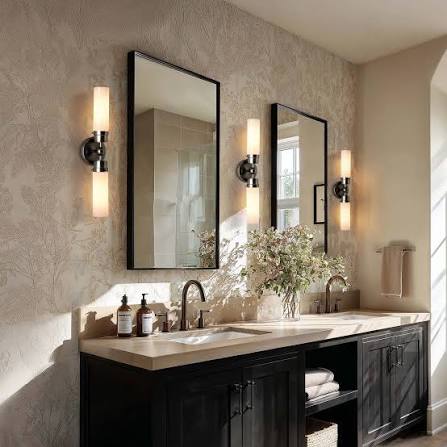
Lighting plays a significant role in creating beautiful and comfortable interiors. Beyond providing essential illumination, carefully selected lighting fixtures can influence the atmosphere, highlight architectural features, and enhance the appearance of furniture and decorative accessories. While ceiling lights and floor lamps are common choices, wall-mounted lighting offers another effective way to introduce style and functionality into residential spaces.
Modern homeowners increasingly recognize the importance of combining practical lighting with attractive design. Wall fixtures are particularly useful because they illuminate specific areas without taking up valuable floor or table space. From elegant bedrooms to sophisticated living rooms, the right wall lighting can transform ordinary walls into attractive design features.

The Importance of Wall Lighting in Modern Interiors
Wall lighting serves several purposes in contemporary home decoration. It can provide additional illumination, create visual balance, and highlight specific areas that might otherwise remain unnoticed.
Unlike central ceiling fixtures, wall-mounted lights distribute illumination at different heights, creating a more layered lighting arrangement. This approach helps reduce dark corners while adding depth to the overall interior.
Wall lighting is also useful in smaller rooms where floor space is limited. Instead of adding additional furniture or bulky lamps, homeowners can install attractive fixtures directly onto walls.
Whether used individually or in symmetrical arrangements, wall lights can complement different decorating styles and improve the functionality of everyday spaces.
Why Statement Wall Sconces Are Becoming Popular
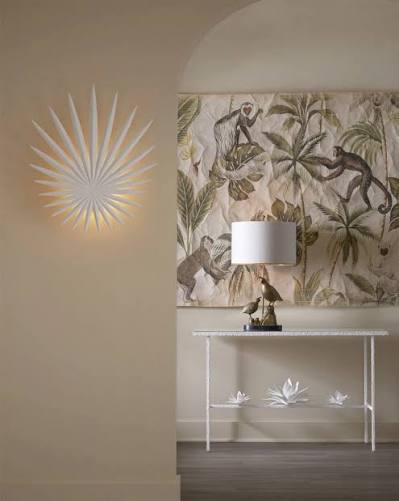
Statement Wall Sconces are decorative lighting fixtures designed to attract attention while providing useful illumination. Their distinctive shapes, materials, and finishes allow them to function as both lighting solutions and decorative elements.
Unlike simple wall lamps that primarily focus on practicality, statement designs often feature sculptural silhouettes, artistic details, and interesting materials.
They can become focal points in living rooms, bedrooms, hallways, and dining areas. Even when switched off, their decorative appearance can contribute to the overall character of an interior.
These fixtures are available in various styles, including contemporary geometric designs, traditional metallic finishes, minimalist forms, and artistic sculptural shapes.
Their versatility makes them suitable for homeowners who want to introduce personality into their spaces without making major decorating changes.
Choosing the Right Style for Your Home
Selecting suitable wall fixtures begins with understanding your existing interior design style.
For contemporary homes, consider fixtures featuring clean lines, geometric shapes, and understated metallic finishes. Matte black, brushed brass, and polished chrome are popular options that complement modern furniture.
Traditional interiors may benefit from decorative brass fixtures, curved silhouettes, and elegant glass shades. These designs work particularly well with classic furniture and sophisticated wall treatments.
Industrial spaces can incorporate metal finishes, exposed details, and simple structural designs. Meanwhile, minimalist interiors often look best with streamlined fixtures that provide subtle decorative interest.
Before making a purchase, consider the furniture, wall colors, door hardware, and other lighting fixtures already present in the room.
Enhancing Living Rooms with Decorative Wall Fixtures
The living room is one of the best places to introduce distinctive wall lighting because it often contains several architectural and decorative features worth highlighting.
Installing wall lights beside artwork can draw attention to paintings, photographs, and decorative wall arrangements. They can also create an attractive background for seating areas.
Another popular arrangement involves placing matching fixtures on either side of a fireplace, television unit, or large decorative mirror. Symmetrical placement creates visual balance and makes the room feel more organized.
For a layered lighting scheme, combine wall fixtures with ceiling lights, table lamps, and floor lamps. This provides greater flexibility when adjusting the atmosphere for different activities.
Warm white illumination is often an excellent choice for living rooms because it creates a comfortable environment for relaxing and entertaining guests.
Creating an Elegant Bedroom Atmosphere
Bedrooms require lighting that balances functionality with relaxation. Wall-mounted fixtures can be particularly useful because they provide illumination without occupying bedside table space.
Installing matching sconces on either side of a bed creates a balanced appearance and provides convenient lighting for reading or relaxing.
For contemporary bedrooms, consider simple fixtures with adjustable heads or directional lighting. These designs allow users to direct illumination where it is needed.
Decorative glass shades, brushed metallic finishes, and soft geometric shapes can also complement upholstered headboards and elegant bedding arrangements.
When choosing bedroom lighting, consider brightness and color temperature. Warm illumination generally creates a softer atmosphere that feels comfortable during the evening.
Using Wall Lighting in Hallways and Entryways
Hallways and entryways are often overlooked when planning interior lighting. However, these areas can benefit significantly from decorative wall fixtures.
A series of matching sconces along a hallway can create visual rhythm while improving visibility. The arrangement also helps make narrow spaces feel more thoughtfully designed.
In entryways, an attractive wall fixture can introduce a welcoming atmosphere and establish the decorative style of the home.
Consider combining wall lighting with mirrors, console tables, and framed artwork. These elements work together to create an organized and visually appealing entrance.
For narrow hallways, choose fixtures that do not extend too far from the wall to maintain sufficient walking space.
Exploring Materials and Finishes
The materials used in wall lighting influence both appearance and overall durability.
Brass: Brass finishes introduce warmth and sophistication. They are suitable for traditional, transitional, and contemporary interiors.
Black Metal: Matte black fixtures create a bold appearance that works beautifully in industrial and modern spaces.
Glass: Glass shades provide an elegant finish and can help distribute light throughout a room.
Ceramic: Ceramic fixtures offer decorative versatility and can introduce interesting colors, textures, and artistic details.
Natural Materials: Wood and other natural finishes can complement Scandinavian, rustic, and organic interior designs.
Choosing materials that coordinate with existing furniture hardware and decorative accessories helps create a consistent appearance.
Understanding Lighting Placement and Brightness
Proper placement is essential for achieving attractive and functional results. Before installation, consider the purpose of the fixture and the area it needs to illuminate.
In bedrooms, wall fixtures are commonly positioned beside the bed at a comfortable height for reading and everyday use.
In living rooms, they can be installed near seating arrangements, decorative mirrors, and artwork.
Hallway fixtures should be distributed evenly to provide consistent illumination without creating uncomfortable bright spots or dark gaps.
Brightness requirements depend on the fixture's purpose, room size, and other available lighting sources. Consider lumens rather than wattage alone when comparing different products.
Color temperature is equally important. Warm white lighting generally creates a relaxing atmosphere, while cooler white options may be more appropriate for certain functional areas.
Combining Decorative Lighting with Smart Technology
Modern lighting technology offers additional opportunities to customize residential interiors. Some wall fixtures are compatible with smart bulbs, dimmers, and automated lighting systems.
These features allow homeowners to adjust brightness and create different lighting scenes according to their daily routines.
For example, a dimmed lighting setting can create a relaxing evening atmosphere, while brighter illumination can support cleaning or other household activities.
Before purchasing compatible products, check the fixture's electrical specifications, bulb requirements, and dimmer compatibility.
Smart lighting can improve convenience while giving homeowners greater control over their interior environment.
Installation and Maintenance Tips
Correct installation is important for ensuring that wall lighting remains safe and functional. Always follow the manufacturer's instructions and use suitable mounting hardware for the wall material.
Fixtures requiring electrical wiring should be installed by a qualified electrician, particularly when new electrical connections or wall modifications are necessary.
Regular cleaning also helps preserve the appearance of decorative lighting. Use a soft cloth to remove dust from metal surfaces, while glass shades should be cleaned according to the manufacturer's recommendations.
Periodically inspect mounting components and electrical connections for signs of damage. Replace bulbs with compatible options to maintain proper performance.
Conclusion
Decorative wall lighting offers an effective way to combine practical illumination with distinctive interior design. By selecting suitable shapes, materials, finishes, and lighting temperatures, homeowners can create attractive arrangements that complement their furniture and architectural features.
Whether enhancing a living room, creating a comfortable bedroom, or improving a hallway, carefully positioned wall fixtures can make a noticeable difference. Investing in thoughtfully designed lighting helps create interiors that feel more welcoming, functional, and visually sophisticated.