
Transforming Your Home with Beautiful and Sophisticated Interior Design Ideas
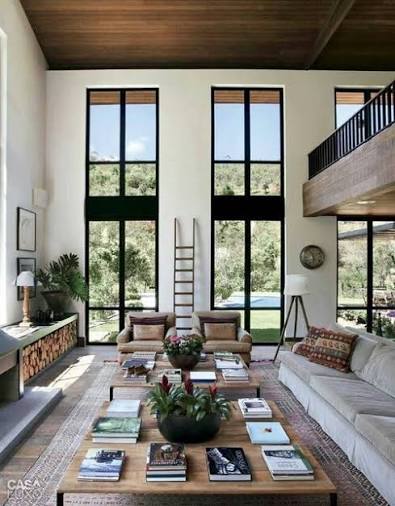
A well-designed home is more than a collection of attractive furniture and decorative accessories. It is a space where comfort, functionality, and visual appeal come together to create an inviting atmosphere. Every architectural feature offers an opportunity to enhance the overall appearance of an interior, and ceiling height is one of the most important elements to consider. Whether you live in a spacious modern house or an apartment with generous vertical dimensions, thoughtful design choices can make your rooms feel more balanced, elegant, and welcoming.
Understanding the Importance of Vertical Space
Vertical space plays a significant role in how people experience an interior. Rooms with tall ceilings often feel more open, spacious, and luxurious. However, without the right decorative approach, these spaces may appear empty or disproportionate. This is where High Ceiling Styling becomes an essential part of interior design.
Instead of focusing exclusively on furniture and floor decorations, homeowners can use the entire height of a room to create a harmonious visual experience. From statement lighting to carefully selected wall decorations, every detail can contribute to a more complete and attractive environment.
The main goal is to establish visual balance. Furniture, artwork, lighting fixtures, and architectural details should work together rather than compete for attention. When these elements are selected thoughtfully, tall rooms can feel comfortable and sophisticated without losing their spacious character.
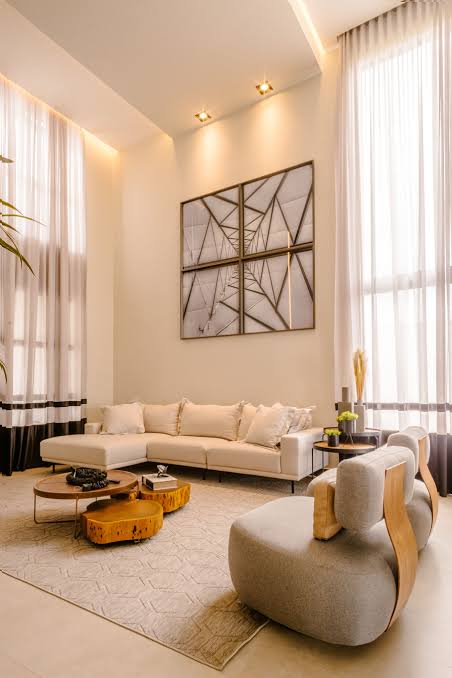
Choose Lighting That Complements the Room
Lighting is one of the most effective ways to enhance rooms with tall ceilings. Large pendant lights, elegant chandeliers, and sculptural fixtures can introduce personality while filling the vertical space with visual interest.
A chandelier positioned above a dining table can create a beautiful focal point, while a dramatic pendant in the living room can emphasize the room's architectural proportions. For contemporary interiors, geometric lighting fixtures provide a clean and modern appearance. Traditional spaces may benefit from crystal chandeliers or decorative metal designs.
Layered lighting is equally important. Combine ceiling fixtures with floor lamps, table lamps, and wall sconces to create different levels of illumination. This approach makes large rooms feel warmer and more inviting, particularly during the evening.
Consider the scale of every lighting fixture before purchasing it. A small pendant may disappear in a room with an exceptionally high ceiling, while an oversized chandelier could overwhelm a smaller space. Choosing the right proportions helps maintain a balanced design.
Use Tall Furniture to Create Visual Harmony
Furniture selection can significantly influence how a room with tall ceilings looks and feels. Low-profile furniture may be suitable for certain minimalist interiors, but relying exclusively on short pieces can leave too much empty space above them.
Tall bookcases, display cabinets, floor-to-ceiling shelving, and high-backed seating can help connect the lower and upper portions of a room. These pieces introduce vertical lines that make the interior feel more cohesive.
For living rooms, consider combining a comfortable sofa with a tall bookcase or decorative shelving unit. In bedrooms, an elegant upholstered headboard can add height and create a sophisticated focal point. Dining rooms can benefit from substantial storage cabinets that complement the scale of the surrounding architecture.
The secret is to avoid overcrowding. A few carefully selected statement pieces are often more effective than filling every available corner with furniture.
Make Walls More Interesting with Artwork
Large walls provide excellent opportunities to introduce creativity and personal expression. Instead of leaving extensive wall surfaces empty, homeowners can decorate them with oversized artwork, gallery arrangements, mirrors, or decorative panels.
A large painting can become the centerpiece of a living room, particularly when positioned above a sofa or fireplace. Vertical artwork is especially useful when the intention is to emphasize height, while horizontal arrangements can make a wide wall feel more connected to the furniture below.
Gallery walls offer another attractive option. Combine framed photographs, paintings, and decorative prints using a consistent color palette to maintain visual harmony. For a more luxurious appearance, consider metallic frames, textured artwork, or pieces featuring neutral shades.
Mirrors can also improve the atmosphere by reflecting natural light and making interiors feel brighter. Large decorative mirrors are particularly effective in entryways, dining rooms, and living spaces.
Incorporate Architectural Details
Architectural features can transform an ordinary room into a memorable interior. Tall ceilings provide enough space to introduce decorative elements such as crown molding, ceiling medallions, wall paneling, and exposed beams.
Crown molding creates a refined transition between walls and ceilings. It works particularly well in classic and transitional interiors, adding character without requiring major changes to the existing structure.
Exposed wooden beams can introduce warmth and texture, making large rooms feel more welcoming. They are especially suitable for rustic, farmhouse, and contemporary designs that combine natural materials with modern furniture.
Decorative wall paneling is another effective option. Vertical panels can emphasize height, while carefully arranged molding can give expansive walls a more structured appearance.
These details should complement the overall design theme. Consistency in materials, finishes, and colors helps prevent the space from feeling visually crowded.
Select Colors That Support the Atmosphere
Color choices have a powerful effect on how tall rooms are perceived. Light neutral shades such as ivory, cream, beige, and warm white can make interiors feel bright and spacious. These colors also provide a flexible background for furniture, artwork, and decorative accessories.
For homeowners who prefer a dramatic atmosphere, darker shades can introduce depth and sophistication. Deep green, navy blue, charcoal, and warm brown can work beautifully when balanced with lighter furniture, reflective surfaces, and appropriate lighting.
One interesting approach is to use a slightly different shade on the ceiling. A soft contrast can highlight architectural proportions while maintaining a coordinated appearance. Wallpaper with subtle patterns can also introduce personality without overwhelming the room.
When planning High Ceiling Styling, it is helpful to consider how colors interact across different levels of the interior. Walls, ceilings, flooring, and furniture should create a consistent visual flow.
Bring Nature into Tall Interiors
Plants are excellent decorative additions because they introduce natural color, texture, and movement. Tall indoor plants can fill empty corners and help connect the floor area with higher decorative elements.
Popular choices include indoor palms, fiddle-leaf figs, and other varieties that can grow vertically. Their natural shapes complement modern furniture and soften interiors that feature stone, glass, or metallic finishes.
For rooms with limited natural light, choose suitable low-light plants or consider high-quality artificial alternatives. Decorative planters made from ceramic, wood, or textured stone can further enhance the overall appearance.
Hanging planters are another possibility, especially when positioned carefully around windows or in designated corners. They add visual variety while making better use of available space.
Create a Comfortable and Functional Layout
A beautiful interior should always remain practical. Large rooms can sometimes feel disconnected when furniture is placed too far apart. Creating defined zones helps make the space more comfortable and easier to use.
For example, a spacious living room may include a main seating area, a reading corner, and a small entertainment section. Area rugs can visually separate these zones while maintaining a consistent design theme.
Furniture should be arranged to encourage conversation and allow convenient movement. Avoid placing every piece against the walls simply because the room is large. A more thoughtful arrangement can make the interior feel intimate without reducing its spacious appearance.
Successful High Ceiling Styling is not only about making a room look impressive. It is also about ensuring that the space supports everyday activities and feels welcoming to everyone who uses it.
Add Decorative Accessories with Purpose
Accessories provide the finishing touches that make a room feel personal. Decorative vases, sculptures, textured cushions, elegant curtains, and carefully selected ornaments can reinforce the interior's overall character.
Long curtains are particularly effective in rooms with tall ceilings. Hanging curtain rods closer to the ceiling and allowing the fabric to reach the floor can emphasize vertical proportions and create a polished appearance.
Metallic accessories in gold, brass, or chrome can introduce subtle sophistication. Meanwhile, natural materials such as wood, linen, and stone help balance reflective finishes and create a warmer atmosphere.
Choose accessories according to the room's size and color scheme. Rather than displaying too many small decorative objects, focus on a few meaningful pieces that contribute to the overall design.
Final Thoughts
Tall ceilings offer an excellent opportunity to create interiors that feel spacious, elegant, and full of character. By combining appropriate lighting, carefully selected furniture, attractive wall decorations, architectural details, and balanced colors, homeowners can make the most of every part of their rooms.
The most successful High Ceiling Styling ideas focus on harmony between vertical space and everyday functionality. From dramatic chandeliers to floor-to-ceiling shelving and elegant curtains, each design decision should support the atmosphere you want to create.
With thoughtful planning and attention to detail, even the largest interiors can feel warm, comfortable, and beautifully coordinated. The result is a home that celebrates its architectural features while reflecting your personal taste and lifestyle.